Add Row
Florida Healthy Living Magazine
UPDATE
Add Element
Add Element
  • Home
  • Categories
    • Health
    • Wellness
    • Travel
    • Tourism
    • Florida News
    • Featured
February 12.2025
1 Minute Read

Unlock Rapid Weight Loss: How to Use MCT Oil Effectively!

Are you tired of the endless cycle of diets that promise quick results but leave you feeling frustrated and defeated? Discovering how to use MCT oil for weight loss might just be the game-changer you need! This powerful oil not only boosts your metabolism but also curbs cravings, making it easier to shed those stubborn pounds. In “Unlock Rapid Weight Loss: How to Use MCT Oil Effectively!”, we delve into the science behind MCT oil, providing you with actionable tips and delicious recipes to transform your weight loss journey. Let’s get started!

Understanding MCT Oil

What is MCT Oil?

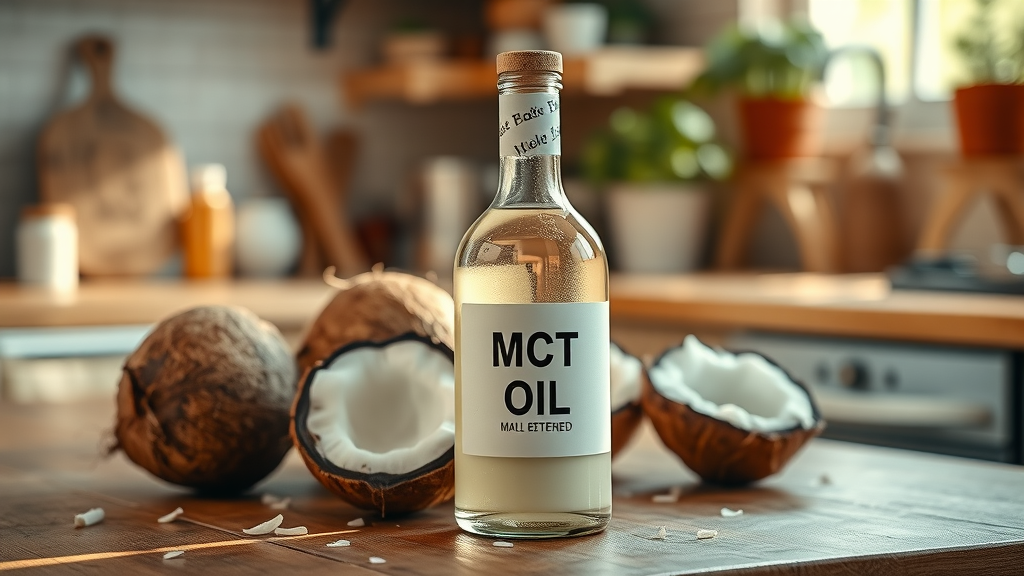
MCT oil, or medium-chain triglyceride oil, is a type of fat that is derived from coconut oil or palm kernel oil. Unlike other fats that take a longer time to digest, MCTs are metabolized quickly, providing a rapid source of energy. MCT oil contains fatty acids with chain lengths of 6 to 12 carbon atoms, making them more easily absorbed by the body.
Benefits of MCT Oil for Weight Loss

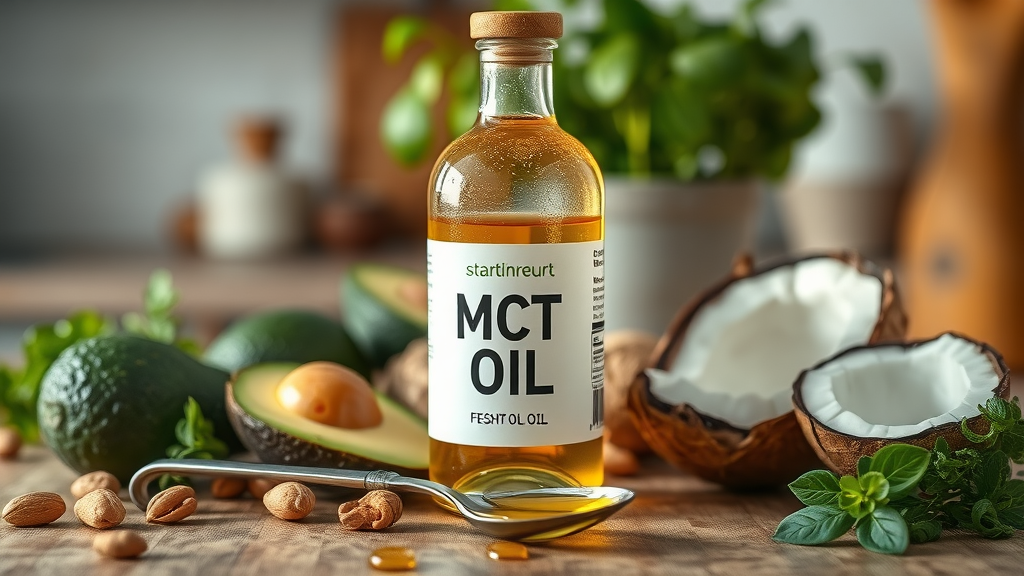
Using MCT oil can offer several benefits for weight loss, including:

  • Increased Fat Burning: MCT oil can enhance the body’s ability to burn fat for energy.
  • Appetite Control: It can help curb hunger, leading to reduced calorie intake.
  • Boosted Metabolism: MCT oil has been shown to increase energy expenditure.
  • Ketone Production: It promotes the production of ketones, which can aid in fat loss.
How MCT Oil Works in the Body

Metabolism and Energy Production

MCT oil is quickly absorbed by the liver, where it is converted into ketones. This process makes it a powerful energy source for your body, especially during periods of low carbohydrate intake.

The Role of Ketones

Ketones are a byproduct of fat metabolism and serve as an alternative energy source. The presence of ketones in the body can lead to improved mental clarity and energy levels.

Effects on Appetite and Satiety

MCT oil can positively affect hormones that regulate appetite. Research indicates that MCT oil may increase levels of hormones that promote feelings of fullness, helping you eat less overall.

Incorporating MCT Oil into Your Diet

Daily Dosage Recommendations

For effective weight loss, it’s recommended to start with 1 to 2 tablespoons of MCT oil per day. Gradually increase your intake as your body adjusts.

How to Add MCT Oil to Your Meals

  • In Coffee: Try adding MCT oil to your morning coffee for an energy boost.
  • In Smoothies: Blend it into smoothies for a creamy texture.
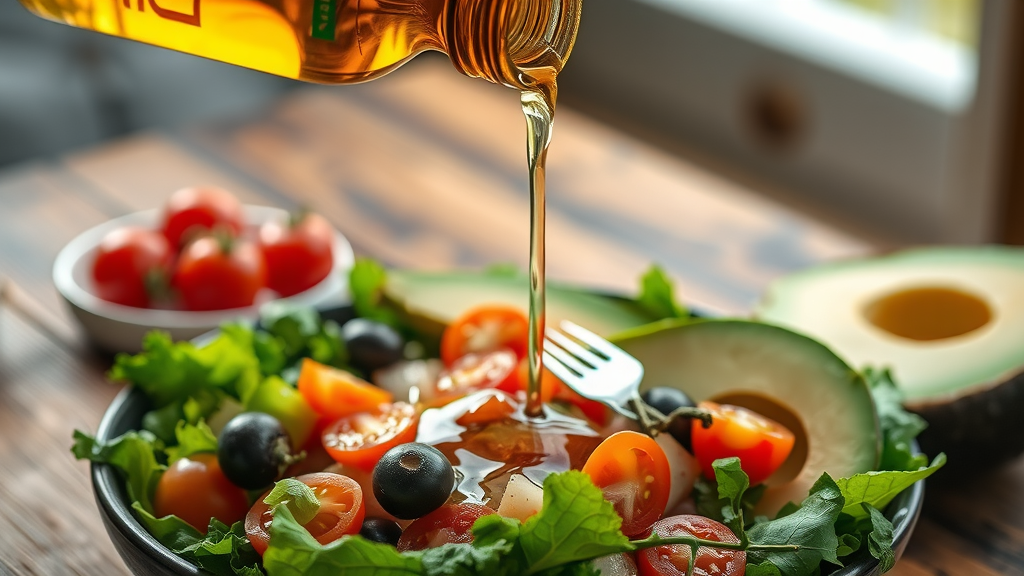
  • In Salad Dressings: Use it in dressings for a healthy fat source.
MCT Oil Recipes

Here are a few simple recipes to incorporate MCT oil into your diet:

  1. Keto Coffee: Blend brewed coffee, 1 tablespoon of MCT oil, and a bit of unsweetened cocoa powder.
  2. Smoothie Bowl: Combine your favorite fruits, yogurt, and 1 tablespoon of MCT oil for a delicious breakfast bowl.
  3. Salad Dressing: Mix olive oil, vinegar, and MCT oil for a healthy dressing.

MCT Oil vs Other Oils: A Comparison

Nutritional Profile Comparison

Oil Type Calories per Tablespoon MCT Content Fat Type
MCT Oil 115 High Medium-chain
Olive Oil 119 Low Monounsaturated
Coconut Oil 117 Moderate Saturated

Advantages of Using MCT Oil

  • Quick Energy Source: Ideal for athletes or anyone needing a rapid energy boost.
  • Supports Ketogenic Diets: Perfect for those following a low-carb or ketogenic diet.
  • Versatile Use: Can be added to various foods and meals.
Potential Side Effects of MCT Oil

Understanding Risks and Recommendations

While MCT oil is generally safe for most people, some may experience gastrointestinal discomfort, especially when consumed in large amounts. It’s important to start with small doses and gradually increase.

When to Avoid MCT Oil

  • If you have certain medical conditions, such as liver disease, consult with a healthcare professional before using MCT oil.
  • Avoid if you have a sensitivity to coconut or palm oil.

Conclusion: Key Takeaways

Final Thoughts on MCT Oil for Weight Loss

MCT oil can be a valuable asset in your weight loss journey. Its unique properties not only provide a quick source of energy but also help curb cravings and boost your metabolism.

Key Takeaways:

  • Start with 1-2 tablespoons of MCT oil daily.
  • Incorporate it into meals for added energy.
  • Monitor your body’s response and adjust accordingly.
  • Consult a healthcare provider if you have underlying health issues.

Additional Resources

YouTube Video: How to Use MCT Oil for Weight Loss

For further learning, check out this informative video on how to effectively use MCT oil for weight loss.

Recommended Channels for Further Learning:

  • Nutrition and Dietetics
  • Health and Wellness


By understanding how to use MCT oil for weight loss, you’re taking a significant step toward achieving your health and fitness goals. Whether you’re incorporating it into your morning routine or using it in various recipes, MCT oil can enhance your weight loss journey.


Wellness

Write A Comment

*
*
Related Posts All Posts
10.03.2025

Florida Homeowners: Unlock Healing Power of Color in Art Therapy

Update Unleashing Emotions Through Art: The Role of Color and Symbols Art therapy is a transformative practice that provides a powerful means for individuals to express and process their pain, especially when words may fall short. Particularly for Florida homeowners navigating life's challenges, engaging in art therapy can serve as a profound release—a gateway to healing. The use of color and symbols in this form of therapy can help articulate emotions, reshape personal narratives, and foster resilience. Why Art Therapy Matters for Emotional Health Art therapy combines creative pursuits with psychological insight, allowing individuals to explore feelings and experiences within a supportive environment. With professionals guiding the process, participants engage with various artistic mediums—be it drawing, painting, or sculpture—to reflect their inner world without the constraints of verbal communication. This is particularly crucial for those grappling with challenging emotions or memories, such as trauma, anxiety, and depression. Understanding Color’s Emotional Language Colors communicate emotions on a fundamental level, often eliciting immediate responses. For instance, red may evoke feelings of passion or anger, while blues can represent sadness or tranquility. Engaging in art therapy, clients intuitively select colors that resonate with their emotional state, providing insight into their mental landscape. A study published in the journal Frontiers in Psychology discovered that individuals who utilized colors in therapy exhibited significant advancements in emotional regulation and reduced symptoms of PTSD. This connection between color and self-expression is not just anecdotal; it’s rooted in psychological research. Symbolism: Crafting Narratives Through Visuals In addition to color, symbols enrich the therapeutic experience. Through symbols, individuals can convey complex emotions and experiences in ways that might elude verbal expression. Common symbols in therapy might include trees (representative of growth), roads (symbolizing life's journeys), or houses (evoking feelings of safety or home). For example, a client processing a loss may depict an empty chair, signifying absence and grief. The Takeaway for Florida Residents For Florida homeowners, incorporating the principles of art therapy into daily routines can foster emotional well-being. Whether it's through community workshops or personal art projects, the act of creating with both color and symbols can facilitate emotional release and personal reflection. By opening the door to emotional expression, art therapy empowers individuals on their journey to understanding and healing. If you or someone you know is seeking ways to cope with emotional distress, consider exploring the world of art therapy. It’s more than just creating art; it’s about forging deeper connections, understanding oneself, and embarking on a healing journey.

10.03.2025

How to Stay Connected with Your Teenage Son: Essential Strategies for Florida Parents

Update Understanding the Changing Dynamics of Mother-Son RelationshipsAs parents watch their children venture into adolescence, it’s natural to feel a disconnect, particularly with teenage sons. The once inseparable bond often starts to stretch, making it essential for mothers to embrace new ways to connect. Acknowledging that this shift is both a phase of growth and an opportunity for deepening the relationship is crucial. Memories shared during early years, from playful explorations to gaming sessions, can become the foundation for navigating the tumultuous teenage years together.Creating Bonds through Shared ExperiencesOne effective way to strengthen your connection is through shared experiences. For many families, holidays represent a unique time to pause from daily routines and rekindle relationships. Whether it’s a trip to the beach or a visit to a local theme park, these moments can create lasting memories. Florida homeowners have the advantage of easy access to various attractions that appeal to both parents and teens, making it easier to plan bonding activities that cater to shared interests.Embracing the Changes: Tips for Staying EngagedCommunication is paramount. Finding common ground and maintaining an open dialogue helps foster trust and understanding. Committing to regular family check-ins, where discussions range from school to interests, can provide a platform for connection. Moreover, mothers can encourage their sons to share their perspectives on various topics, from video games to social issues, thereby nurturing their individuality while still being involved. The key lies in being adaptable and recognizing that the bond may evolve but never has to disappear entirely.Finding the Joy in ConnectionFinally, it’s important to celebrate the small victories. Whether it’s a lighthearted exchange or a heartfelt conversation, these “glimmers” of connection remind us that mother-son relationships can thrive, even amidst challenges. Instead of focusing on the drudgery of nagging about chores, look for moments of joy and humor that remind you of the unique relationship you share. By focusing on the positives and embracing change, parents can navigate the complexities of teenage life alongside their sons.

10.01.2025

Why Understanding Seed Oils Is Essential for Your Health

Update Understanding the Role of Seed Oils in Your Diet Seed oils have become a significant part of our culinary landscape, often sparking debates about their health implications. Commonly used for frying, baking, and as salad dressings, these oils are derived from plant seeds, and include well-known varieties like canola, corn, and sunflower oil. While some health influencers warn against their use, citing potential links to inflammation and chronic disease, many nutrition experts argue that when consumed properly, seed oils can actually offer health benefits. How Seed Oils Are Made: Debunking the Myths Critics often point to the extraction processes that involve solvents like hexane, raising concerns over their safety. However, these claims have been largely refuted. A federal report determined the residual amounts of hexane to be "toxicologically insignificant," meaning that it poses little risk to consumers. Furthermore, many seed oils are available in cold-pressed varieties, which are produced without chemicals, albeit at a higher cost and lower smoke point. The Nutritional Profile: Balancing Omega-Fatty Acids Seed oils are predominantly composed of polyunsaturated fats, particularly omega-6 fatty acids, which have been scrutinized due to their potential inflammatory properties. However, recent studies indicate that increased intake of linoleic acid, a type of omega-6, does not exacerbate inflammatory markers in the blood as previously believed. In fact, both omega-3 and omega-6 fatty acids are essential for health, with research suggesting they can work synergistically to support various bodily functions. Making Informed Choices: Practical Tips for Consumers As consumers navigate the health claims surrounding seed oils, it's crucial to focus on moderation and context. Instead of eliminating seed oils entirely, consider how they fit into your overall diet. For example, using seed oils in conjunction with fresh vegetables or whole foods can enhance flavor and provide health benefits without undermining overall wellness. Pairing oils like canola in your salad dressing or using sunflower oil for stir-frying vegetables can be part of a nutritious approach. Conclusion: Embracing Balance in Your Diet For Florida homeowners looking to improve their dietary habits, understanding the nuanced role of seed oils can inform better choices at the grocery store and in the kitchen. Moderation is key, as with many aspects of nutrition. With the right balance, seed oils can be a beneficial addition to a health-conscious lifestyle. So the next time you're at the store, consider the facts, and feel free to incorporate these oils into your meals without guilt.

Terms of Service

Privacy Policy

Core Modal Title

Sorry, no results found

You Might Find These Articles Interesting

T
Please Check Your Email
We Will Be Following Up Shortly
*
*
*